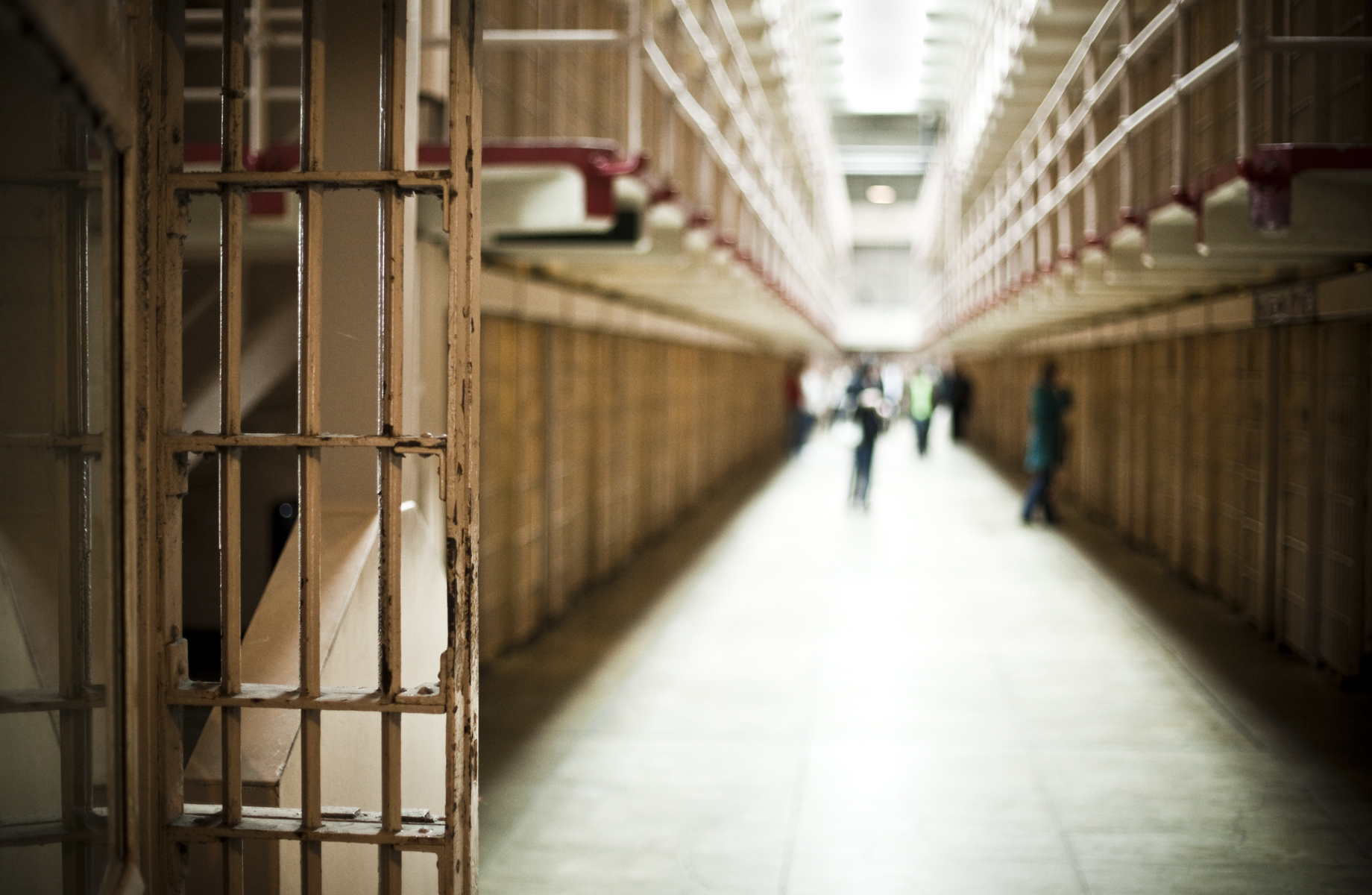
A life sentence in California does not always mean someone will remain in prison until they die. Some life sentences allow parole after a minimum period, while life without the possibility of parole generally does not.
A sentence of 25 years to life means the person must serve a minimum term before becoming eligible for parole, not that they will automatically be released after 25 years. The exact sentence matters.
California has different rules for life with parole, life without parole, and sentences imposed under its Three Strikes law.
The Short Answer: What Are California’s Different Life Sentence Structures?
California has several types of life sentences, and each carries different rules for parole eligibility.
The main distinctions are:
- Life with the possibility of parole: The person serves a minimum period before becoming eligible for parole consideration. Release is not guaranteed.
- Life without the possibility of parole (LWOP): The sentence generally provides no ordinary parole eligibility, subject to limited statutory exceptions.
- 25 years to life: The person receives an indeterminate life sentence with a 25-year minimum term before parole eligibility, subject to applicable credits and special eligibility laws.
For example, California Penal Code § 190 generally provides a sentence of 25 years to life for first-degree murder, while second-degree murder ordinarily carries 15 years to life. Certain circumstances can increase those penalties.
Under Penal Code § 3046, someone serving a life sentence generally must serve at least seven years or a longer minimum term required by another law before release on parole. Other statutes can affect when the person receives a hearing.
Life With the Possibility of Parole vs. Life Without: What’s the Difference?
The main difference is whether a person can become eligible for parole. Someone sentenced to 15 or 25 years to life may receive a parole hearing after serving the required minimum term, but release is not guaranteed. The California Board of Parole Hearings must determine whether the person is suitable for release.
Life without parole (LWOP) generally means an adult cannot be released through the ordinary parole process. However, under Penal Code § 3051, certain individuals sentenced to LWOP for offenses committed before age 18 can receive a youth offender parole hearing during their 25th year of incarceration.
This exception does not apply to adults sentenced to LWOP simply because they committed their offense before age 26. Other forms of relief, such as resentencing or executive clemency, may still be available.
How Does California’s Three Strikes Law Affect Life Sentencing?
California’s Three Strikes law can substantially increase a felony sentence when the person has qualifying prior serious or violent felony convictions.
Under Penal Code § 1170.12 and § 667, a defendant with one qualifying prior strike generally faces twice the otherwise applicable sentence for a new felony.
When there are two or more qualifying prior strikes, a new serious or violent felony can trigger an indeterminate life sentence. The minimum term is generally at least 25 years, but the statutory calculation can result in a longer minimum.
Not every third felony automatically triggers 25 years to life. California’s most recent reforms generally require the current offense to be serious or violent, although specified exceptions allow third-strike life sentencing for other felonies.
Prior convictions, the current charge, and applicable exceptions must be examined closely. A dispute over whether a prior conviction qualifies as a strike can significantly change sentencing exposure.
What Does Parole Eligibility Actually Look Like in Practice?
Parole eligibility means a person qualifies for consideration, not guaranteed release. For most indeterminate life sentences, the Board of Parole Hearings schedules an initial hearing no later than one year before the minimum eligible parole date, although some laws allow earlier hearings.
The Board considers the offense, institutional conduct, rehabilitation, and whether the person poses an unreasonable risk to public safety. If parole is denied, another hearing generally occurs in three, five, seven, 10, or 15 years, with opportunities to request an earlier hearing.
California also offers special parole programs:
- Youth offender parole: Eligible individuals who committed their controlling offense before age 26 may receive consideration during their 15th, 20th, or 25th year of incarceration, depending on their sentence. Certain exclusions apply.
- Elderly parole: Under Penal Code § 3055, certain individuals age 50 or older who have served 20 years qualify for consideration. A separate process covers some individuals age 60 or older who have served 25 years.
Eligibility depends on the sentence and applicable exclusions. In murder cases, the Governor can review and reverse parole grants. The California Board of Parole Hearings provides additional information about eligibility and hearing procedures.
What Should You Do if You’re Facing a Charge That Carries Life?
If you are facing a California criminal charge that could result in life imprisonment, the first step is identifying the exact sentencing statute and any alleged enhancements or prior convictions.
Two charges involving similar conduct can have different sentencing ranges. Allegations involving a weapon, special circumstances, or prior strikes may also change what the prosecution must prove.
A criminal defense attorney can examine:
- Whether the evidence supports the charged offense and required mental state
- Whether the prosecution can prove alleged sentencing enhancements
- Whether prior convictions legally qualify as strikes
- Whether a lesser charge or different sentencing provision applies
- Whether constitutional or evidentiary issues affect the case
Attorney Nabiel C. Ahmed previously served as a Deputy Public Defender and brings 20 years of combined criminal defense experience to the Law Office of Nabiel C. Ahmed. His background includes reviewing prosecution evidence and handling criminal proceedings in Bay Area courts.
Understanding the potential sentence before making decisions about a plea or trial is particularly important when a conviction could carry an indeterminate life term.
Frequently Asked Questions
Does 25 Years to Life Mean You Get Out After 25 Years?
No. It generally means parole eligibility after the required minimum term, subject to applicable law. The Board must approve release, and incarceration can continue for life.
Can Someone With Life Without Parole Ever Be Released in California?
Ordinary parole is generally unavailable. Limited exceptions and other legal remedies exist, including youth offender parole for certain people sentenced for crimes committed before age 18.
Does a Third Strike Always Mean 25 Years to Life?
No. California generally limits third-strike life sentences to new serious or violent felonies, with specified exceptions for certain other offenses.
Can You Get a Parole Hearing Before Serving 25 Years?
Yes, in qualifying cases. Some sentences have shorter minimum terms, and special youth offender or elderly parole laws can provide earlier consideration.
Speak With a California Criminal Defense Lawyer at the Law Office of Nabiel C. Ahmed Today
A charge carrying a possible life sentence requires close attention to the statute, the evidence, and any prior convictions that could increase punishment. Parole eligibility is important, but it does not replace the need to understand the sentence a court could impose.
The Law Office of Nabiel C. Ahmed represents individuals facing serious criminal allegations in Oakland, Alameda County, and throughout the East Bay. Contact the firm to schedule a confidential consultation with a California criminal defense attorney about the charges and potential sentencing consequences.
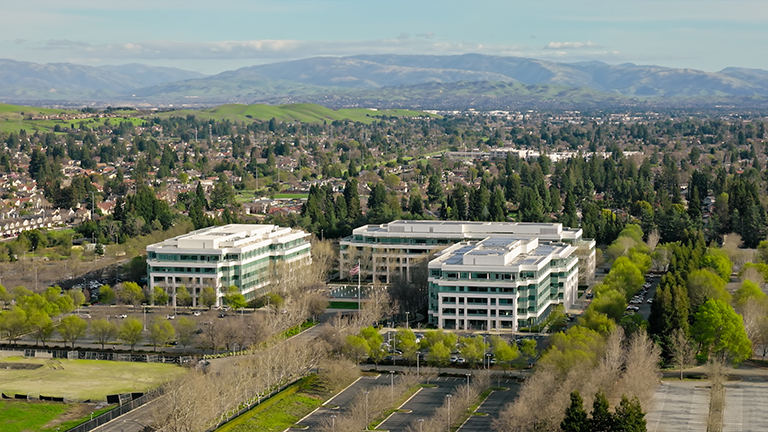
We have convenient locations in Oakland and San Ramon, California.
Law Office of Nabiel C. Ahmed – Oakland
1305 Franklin St #411, Oakland, CA 94612
(510) 271-0010
We are available 24/7

Law Office of Nabiel C. Ahmed – San Ramon
2551 San Ramon Valley Blvd #206, San Ramon, CA 94583
(925) 725-4003
We are available 24/7